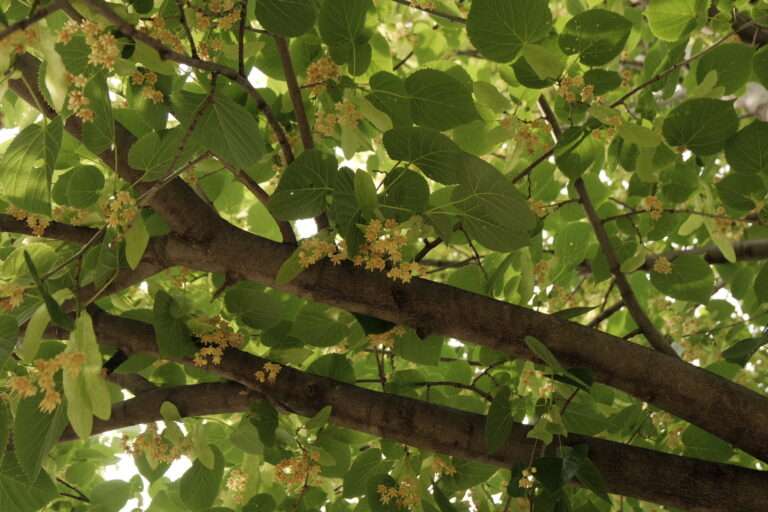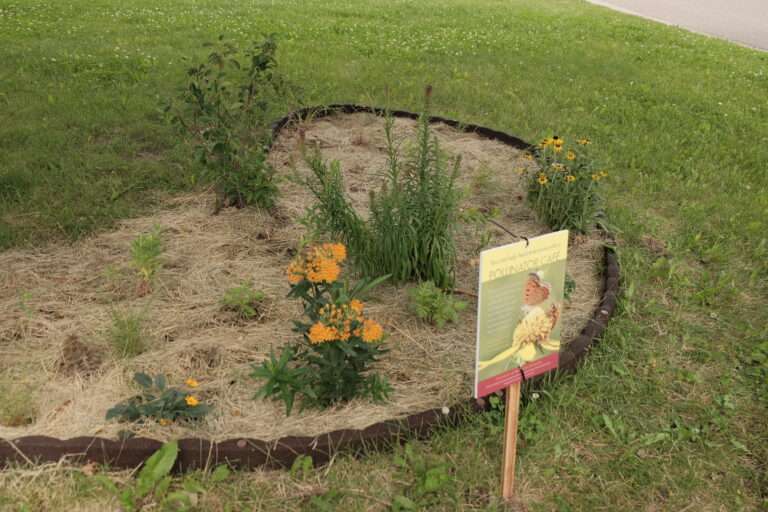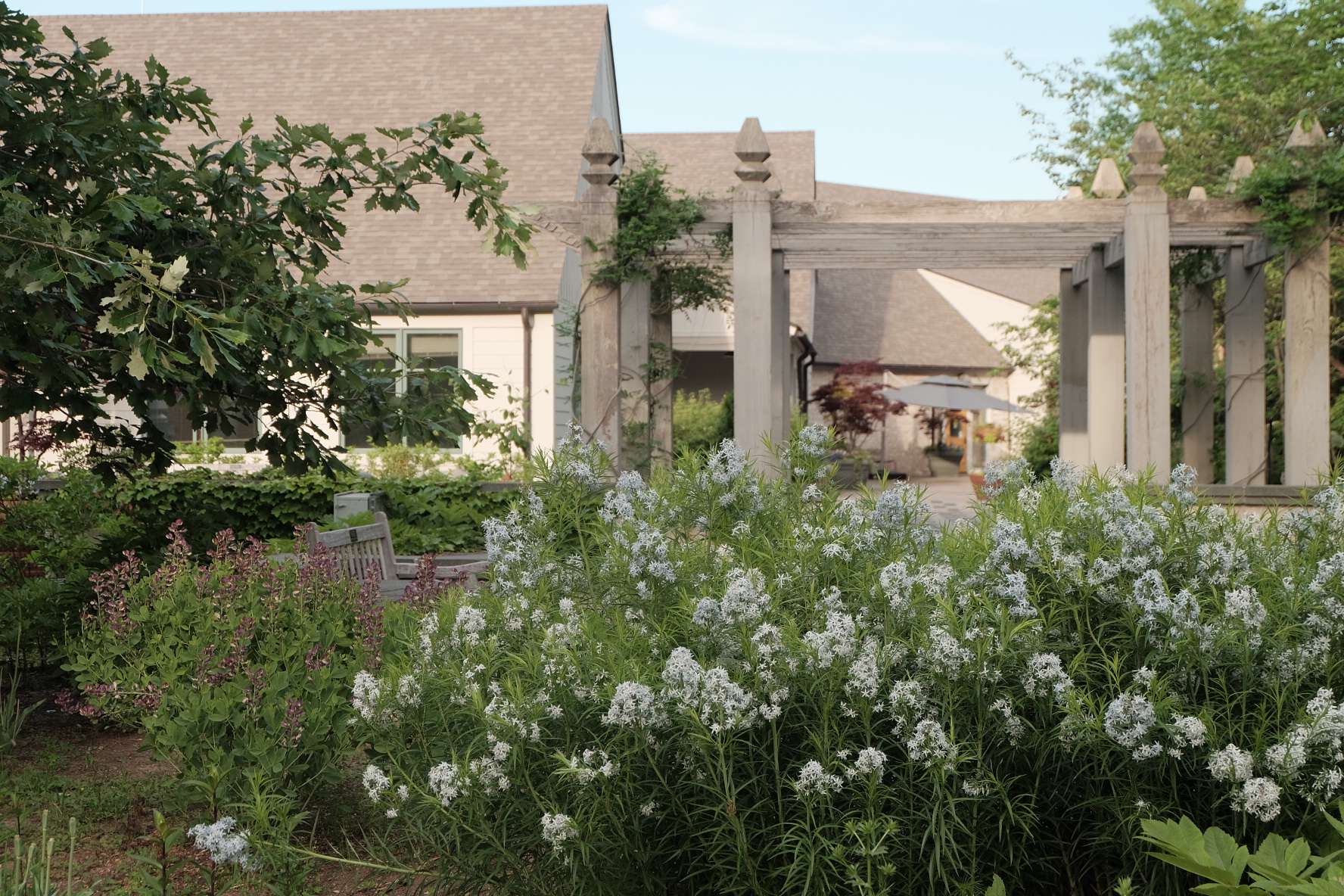
Before visiting a few local demonstration gardens this summer, I hadn’t realized how much inspiration could be found just a few miles from home. From our local arboretum to the Master Gardener pollinator and rain gardens at the county fairgrounds, these public spaces are designed to teach, inspire, and showcase plants that thrive in our region.
What Makes Demonstration Gardens so Special?
I used to think of demonstration gardens as just pretty places to wander through. But they’re so much more than that. They’re a chance to actually see what thrives in your area before you commit to it in your own yard. There’s no guessing, no crossed fingers. Walking through one, you start to notice things you’d never think to look up on your own: how a garden is laid out, what kind of watering or irrigation setup keeps everything looking so healthy, even garden styles you didn’t know existed until you were standing in the middle of them.
Things I Loved About Each Garden
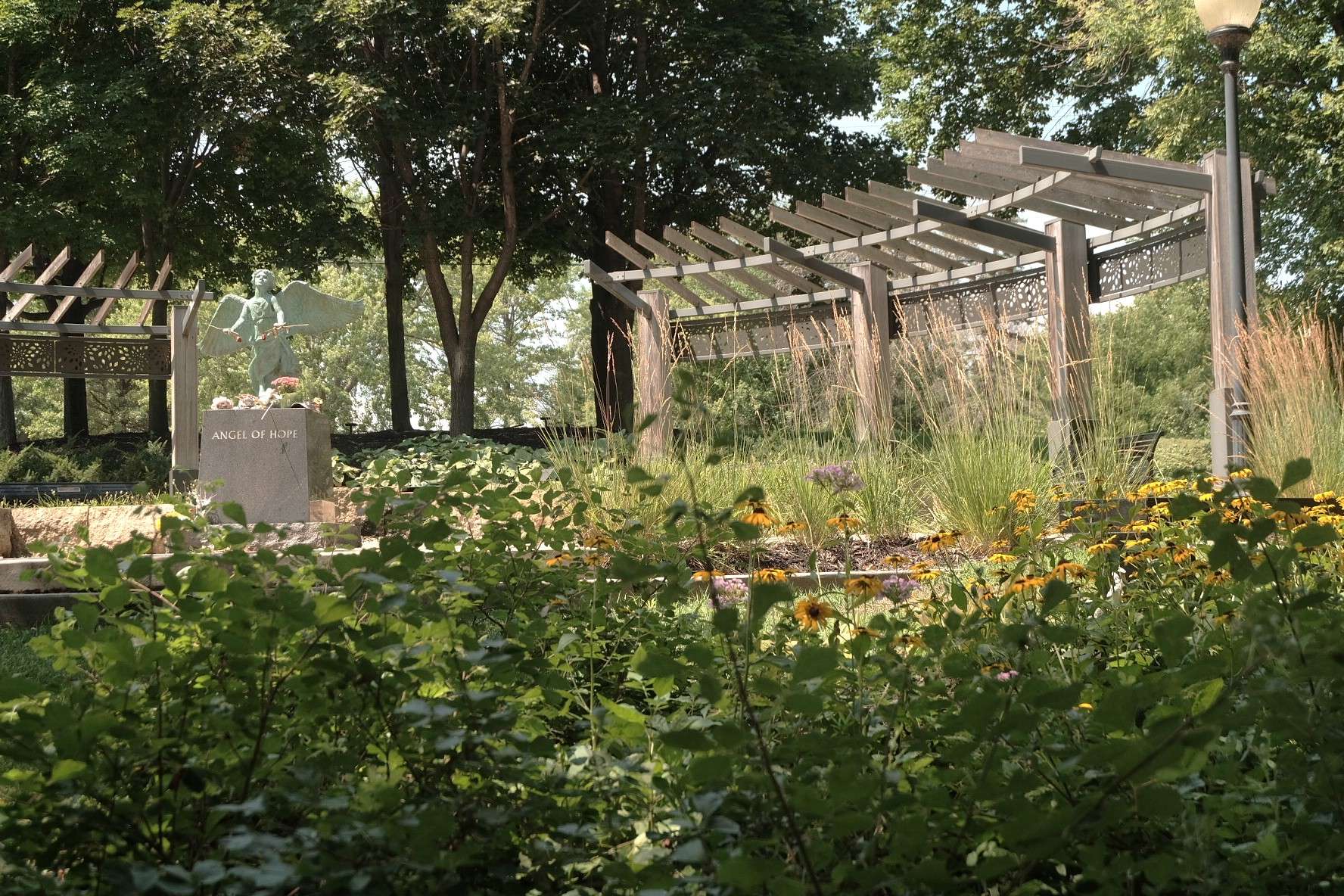
Visiting my local arboretum is one of my favorite activities to do throughout spring, summer, and fall. Each season introduces new blooms, new views, and new learnings.
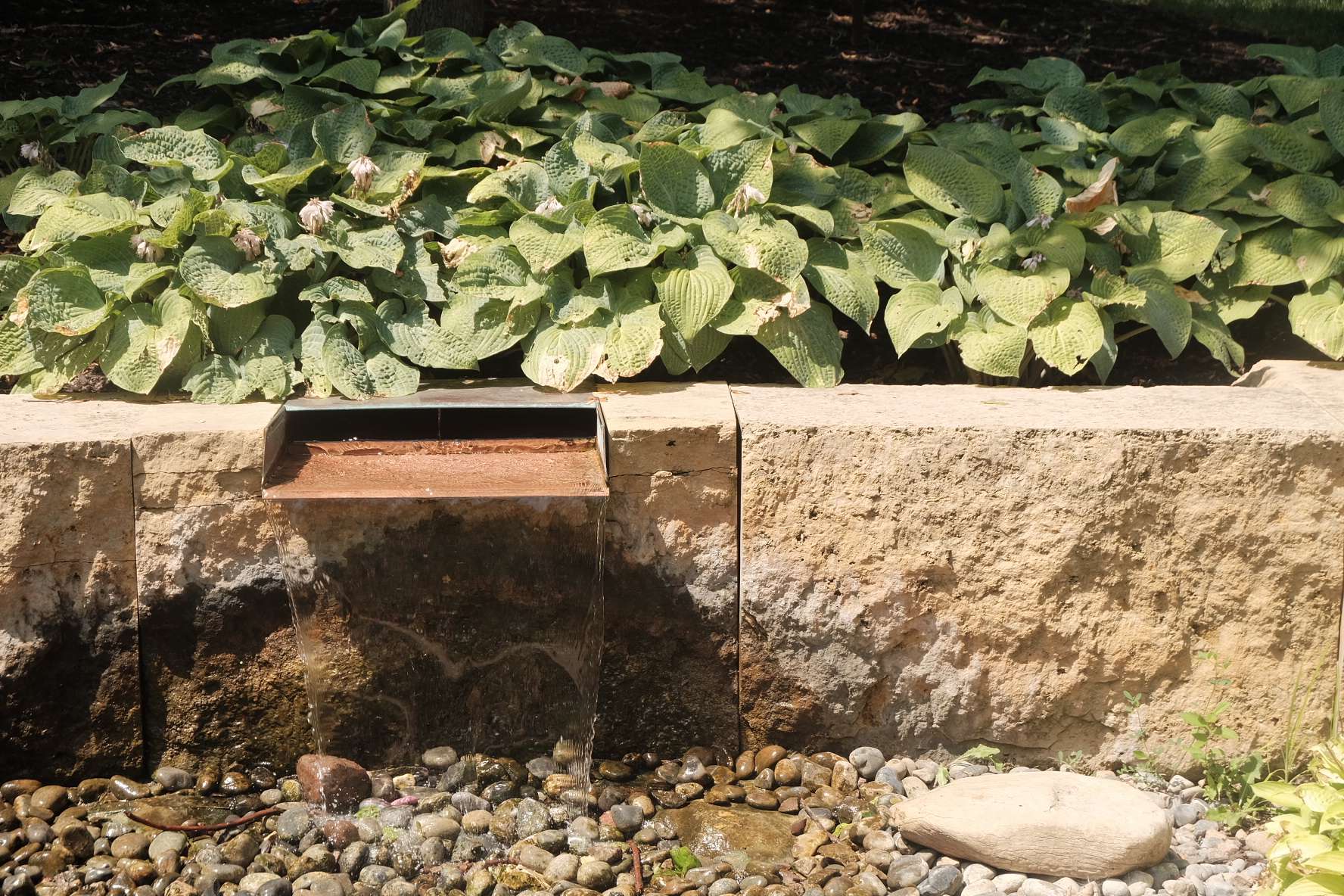
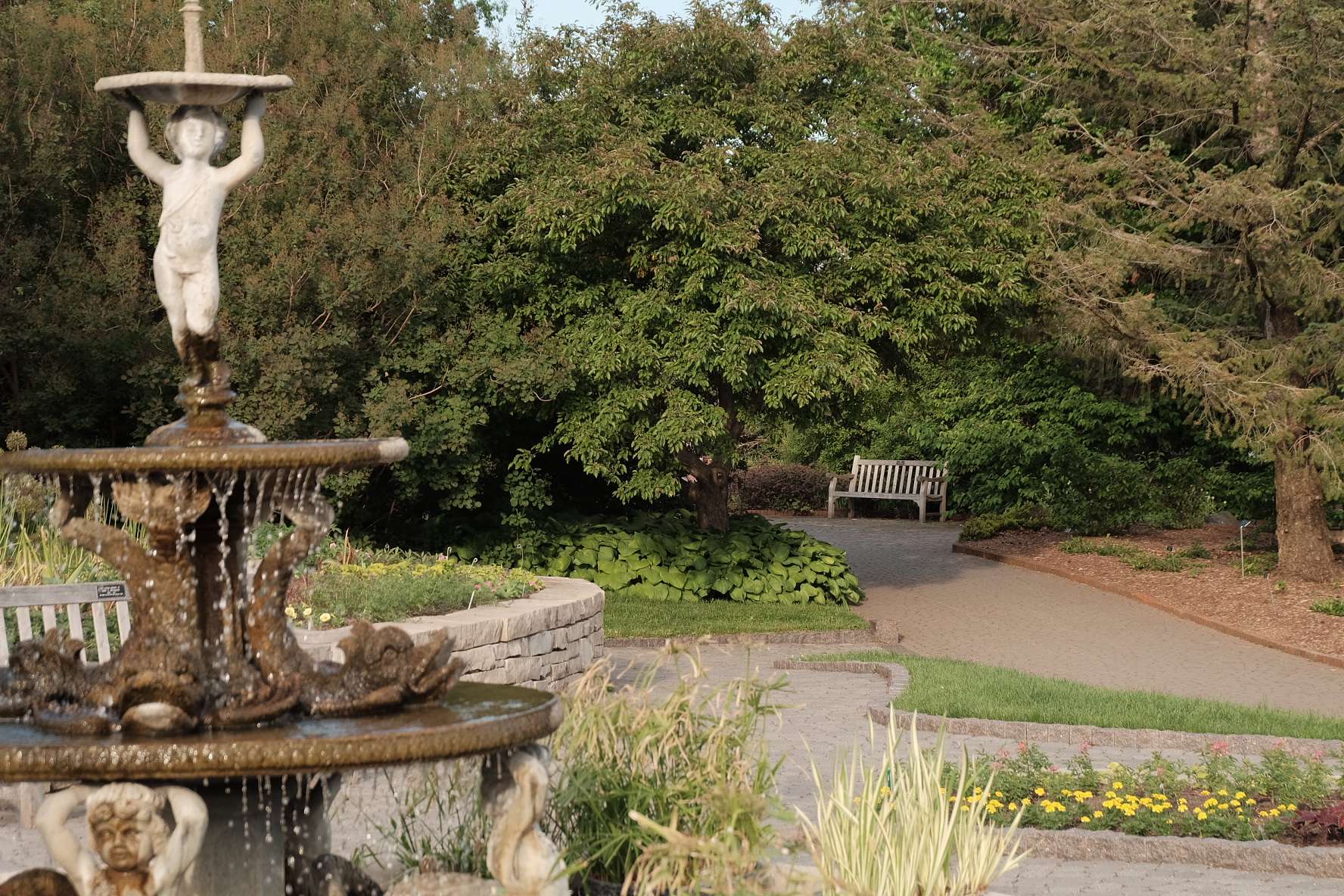
One of my favorite observations at my arboretum was the number of still spots it had in the thriving blooms. There were spots throughout the gardens where it seemed like time just stood still. They were areas that I could stay for hours, just listening to the birds, the plants swaying in the wind, and the soft droplets of a nearby fountain spilling down. That feeling has inspired me to try to create an oasis in my backyard where it feels like time sits still. It would be a perfect spot to write, read, paint, meditate, or even just sit and enjoy the views.
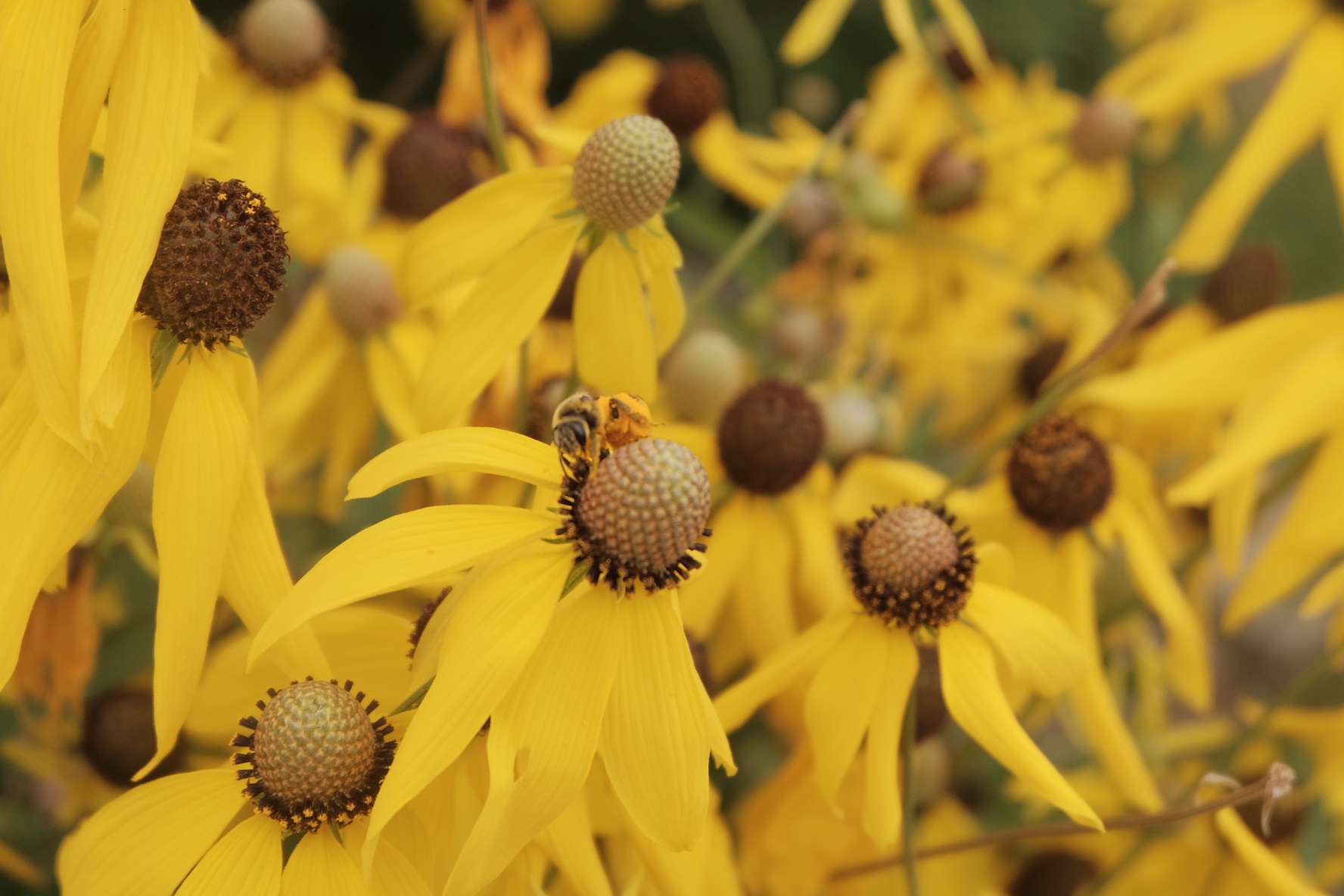
Another kind of garden inspired me in an entirely new way. I delighted in the opportunity to volunteer at my local Master Gardener’s demonstration garden at my county fairgrounds this weekend. Immediately, the experience showed me what could be done in a small space. Volunteering at the garden left me in awe at the energy and excitement such a small space could bring. It was like entering a whole new world covered with prairie blooms and towering flowers.
🌿 Field Note
I noticed more mature versions of some of the plants from my infant garden thriving in these garden spaces. It excited me for what my little pollinator garden will grow to be, and inspired more ideas of what I could add next to my backyard.
Plants I Added to My Wishlist
I have enjoyed all sorts of blooms by visiting my local demonstration gardens. And a few plants have really stood out to me and will eventually make their way into my own landscape. Seeing that even some of the plants I’d always assumed were too fussy for our climate thriving at the arboretum and demonstration gardens has reassured me that I could grow them here in my garden. Some of my absolute favorite plants have been:
- Azaleas
- Peonies
- More coneflowers
- Pink Irises
- Tea roses
- Magnolias
🌿 Field Note
If the arboretum can keep these plants alive through a Minnesota winter, I’m willing to give it a try in my own yard too.
Demonstration Garden Design Ideas I Noticed
Throughout my local gardens, I noticed that almost no soil was exposed to the air. Ground cover crops crept along the towering flowers to keep the soil cool and work as a living mulch layer. I have worked with ground cover crops in my vegetable gardens before. However, I had never thought about implementing them into my own pollinator garden. Next year, I’m going to add ground cover crops to my front yard pollinator garden to help improve the soil health and add some needed protection from the summer heat.
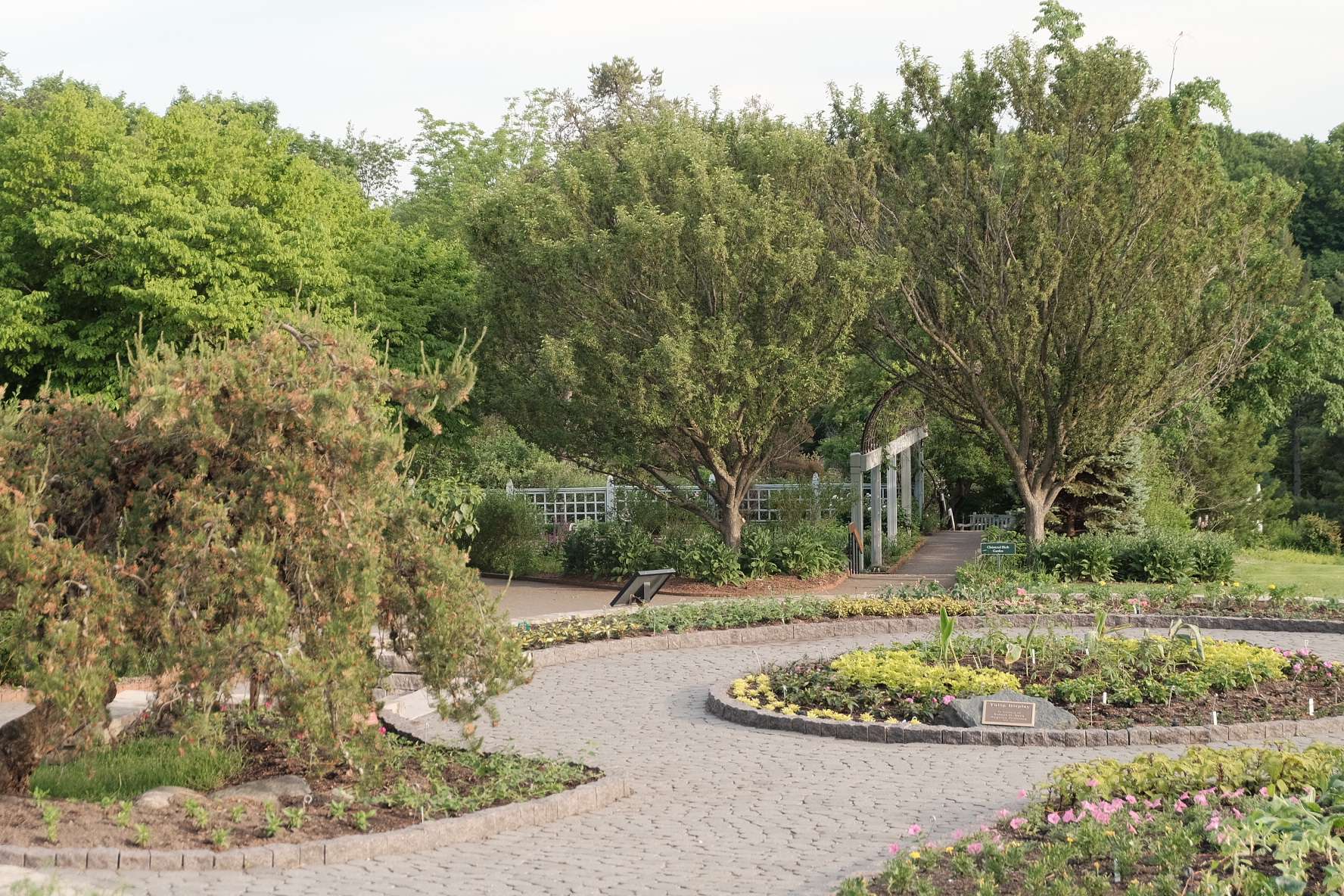
Another area I appreciated was the incorporation of negative space into the garden. Rather than filling every inch with plants, there was still room for things to breathe. The negative space really refreshed the landscape and gave the viewer a natural pause while viewing the garden. Not only is negative space nice to see, but it’s also a fantastic way to give your plants breathing room.
One of my favorite ideas I was given was the layering of plants to create interesting textures in the garden spaces. The demonstration gardens had mixtures of prickly red, purple, and yellow coneflowers popping up behind the velvety pink iris flowers, which themselves hid amongst some native grasses and the showy golden blooms of Rudbeckia. This tiered system allows your eyes to follow the landscape with ease, and also showcases why incorporating the mature size of plants is so important. My coneflowers were just plugs, but seeing the full grown plant made me glad I spaced them out from other plants as I did.
Why I Think Every Gardener Should Visit Demonstration Gardens
Local demonstration gardens are such a great tool for any gardener trying to plan out their garden space. You can learn a lot just by watching the gardens and seeing what pollinators are visiting at the moment, how the plants react to the weather, if there’s any pest damage, and how plants are spaced and placed throughout the environment. It is a place of knowledge and learning about what is succeeding or failing locally. Most importantly, these demonstration gardens can give you inspiration and a start on ideas of what could work in your local plot. So take a journal, your favorite book, a camera, and maybe even a drawing set, and go to your local demonstration garden. While there slow down, observe, and see what you notice along the way.
📌 Save this post for later
Planning your own demonstration garden walk? Save this guide to Pinterest for ideas of what to keep an eye out for in your next adventure.