This is how I learned to cut back on added sugar without going cold turkey, mostly by doing it the wrong way first.
Somewhere between the first pumpkin pie slice and the last gingerbread cookie, the holiday season turns into a months-long buffet: peppermint patties, eggnog, hot chocolate, candy by the fistful. I love it all in theory. In practice, I try not to eat more than 15 grams of added sugar in a day. I’ve been doing this for almost three years straight, and a candy bar now tastes to me like a bar of chalk. So does my husband’s, and he used to be the pickiest eater I knew. These days he’ll eat almost anything.
I didn’t get here gracefully. I’ve cut back on sugar three times.
The first time I went completely cold turkey. I wouldn’t even eat fruit. I don’t recommend it, partly because it’s miserable and partly because your body does use sugar for energy, so the goal was never absolute zero. That attempt ended in two relapses before I finally found a rhythm that lasted.
Where the Sugar Hides
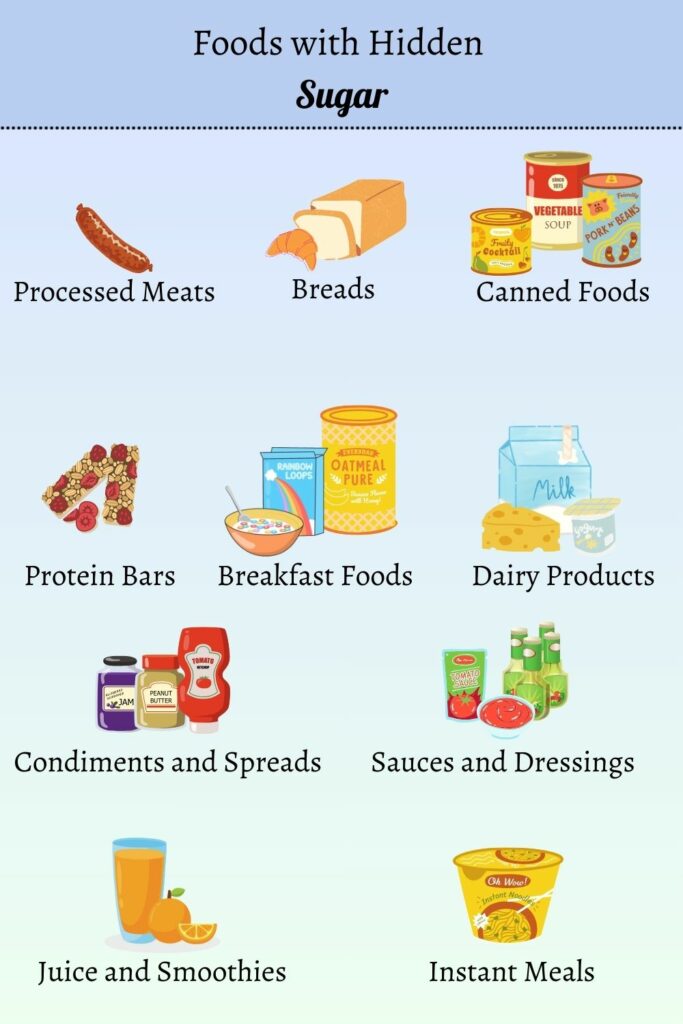
The trouble is that added sugar is almost everywhere in American groceries. Flavored yogurt runs anywhere from 10 to 30 grams a serving. Many cookies have at least 15. Soft drinks start above 40, and a few top 70. The American Heart Association suggests staying under about 36 grams a day for men and 25 for women, which means a single soda can use up a whole day’s allowance before breakfast is even over. Sugar can also turn up in bread, pasta sauce, salad dressing, and bacon, where you’d never think to look.
Because I’m allergic to wheat and peanuts, turning a package over is second nature to me, and that habit is what made all of this possible. On top of reading the ingredients, I always look at the “Added Sugars” line, not the total. A fruit’s own sugar isn’t the problem. A peach has roughly 13 grams, and a peach turnover gets that plus whatever was mixed in.
I don’t have anything against sugar itself. It’s why bread browns and cookies spread the way they should, and I still bake with it every week. What I can’t get behind is the extra amount that ends up in food that didn’t need it.
Note:
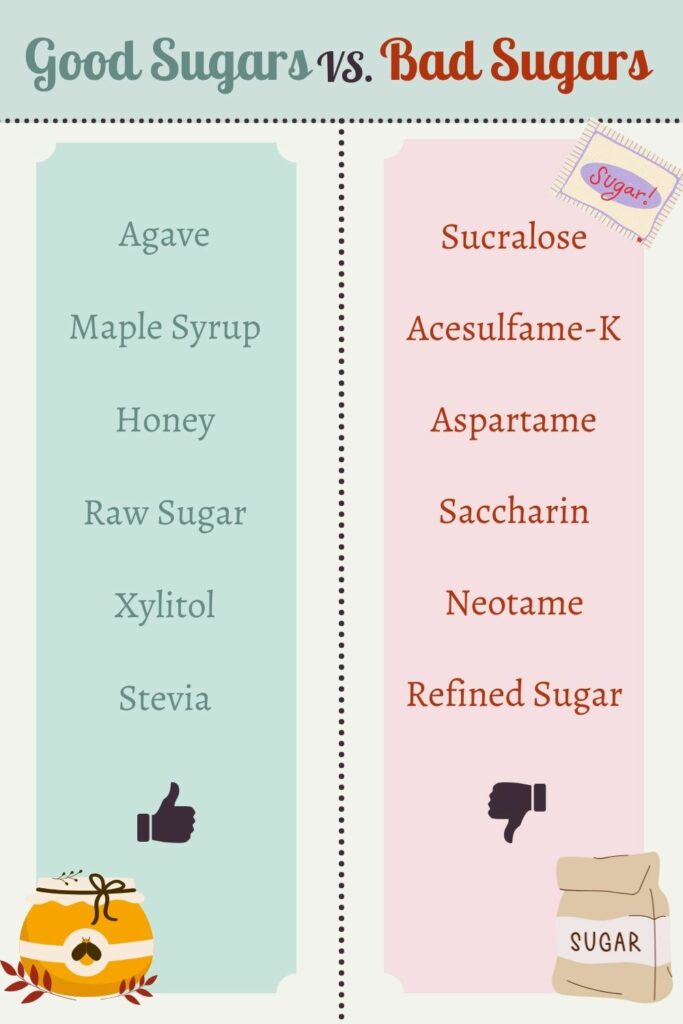
One more thing, since it’s a common first move: I tried artificial sweeteners early on, and I felt worse than I ever had on the real thing. I don’t like the taste, and they leave me bloated and just plain off. I’ve stayed away from acesulfame-K, aspartame, saccharin, and sucralose ever since. The research is still being sorted out, so all I can tell you is what happened to me. If a sweet food says “no sugar,” it’s worth checking the ingredient list for one of those names.
How I Cut Back on Added Sugar, Week by Week
I’ll be honest with you: cutting out sugar is tough. It felt like withdrawal to me, and you have to get very aware of every nutrition label you touch. The first month will shock your system. But once you get past it, your taste buds start to change. Here’s what those first four weeks looked like.
Week 1
Purge
This week is a clean sweep. I emptied the pantry, the fridge, and the freezer of anything with a lot of added sugar, because if it’s in the house, I will eat it. Then I restocked. Plain whole-fat yogurt replaced the flavored kind. I looked for things with less than 8 grams of added sugar, bought dark chocolate that was 70% cocoa or higher, and stocked up on unsweetened herbal tea. I also bought extra berries and fruit. Before I ate anything, I checked the label and wrote down the grams. Once I hit 25 grams for the day, I stopped adding sugar until the next morning. Today my own ceiling is 15, but 25 was a realistic place to start.
Week 2
Detoxing
This is when things got strange. I was tired and short-tempered, and I had headaches. It felt like my body was recalibrating. I stayed under 25 grams a day.
Week 3
Cravings
Week three was the hardest by far. Candy, chocolate, ice cream: everything sounded fantastic. This is the week to be careful, because a slip here is what sends most people back to the start. When a craving hit, I ate some protein, made a cup of tea, and had one small square of dark chocolate, and it usually passed quickly. Protein seems to be what my cravings were really asking for, though that’s just my experience.
Week 4
Adjustment
By week four, my body was settling down. The headaches eased and I had more energy than before. Some weight started to come off, too. My husband lost 15 pounds in the first couple of months. The cravings faded to the point where I rarely thought about sugar at all.
After that first month, it becomes a matter of not being too hard on yourself. A day with far more sugar than usual isn’t a failure. It’s happened to me more than once, and I just went back to my routine the next morning. It helps to do this with someone, whether a partner, a friend, or a family member who will check labels with you and keep you accountable.
Have you ever tried cutting back on sugar? I’d love to hear how it went, or where you’re stuck, in the comments.